A message can disclose its own geometry
A universal, zero-knowledge method reconstructs the dimensional form of non-random data—even when sender, encoding and intended medium are unknown.
In depthWhether intelligence arrives from another world or emerges from our own machines, the problem is the same: how do we understand an entity that does not think as we do?
Review the contributionsWho we are
Founded on primary research in message reconstruction, and non-human communication when no shared language, culture, or biological substrate can be assumed.
Where listening programmes have treated a signal as an endpoint, we treat it as a beginning. We do not stop at carrier and waveform. We push through to form, syntax and meaning. Because a message found is not a message understood.
Minds without shared worlds. Intelligence without common ground. The Arrival Institute studies how meaning can be reconstructed when the sender, the language, and even the ontology are unknown.
Comparative catalogue / 01—12
Undeciphered objects, lost civilisations, and alien readers: twelve studies in the uncertainty between signal, message and noise.
The Archaeology of Unreadable Minds
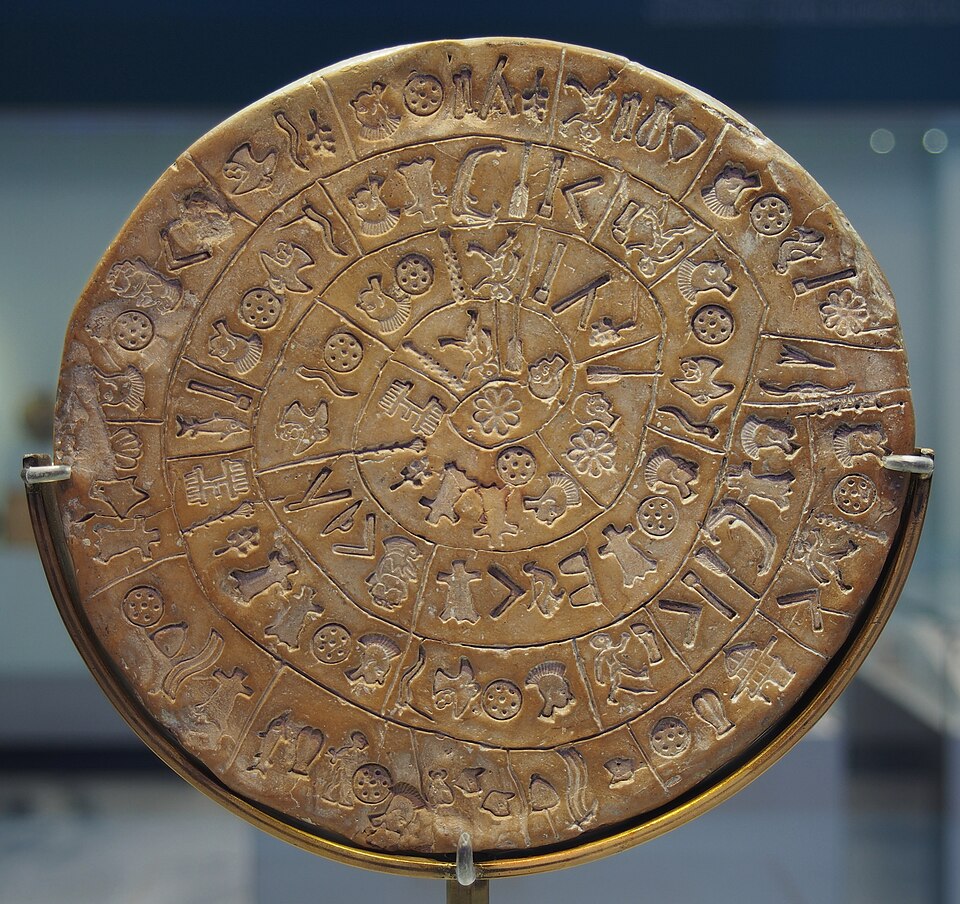
Crete · c. 1700 BCE
C messier / Bammesk · CC BY-SA 4.0
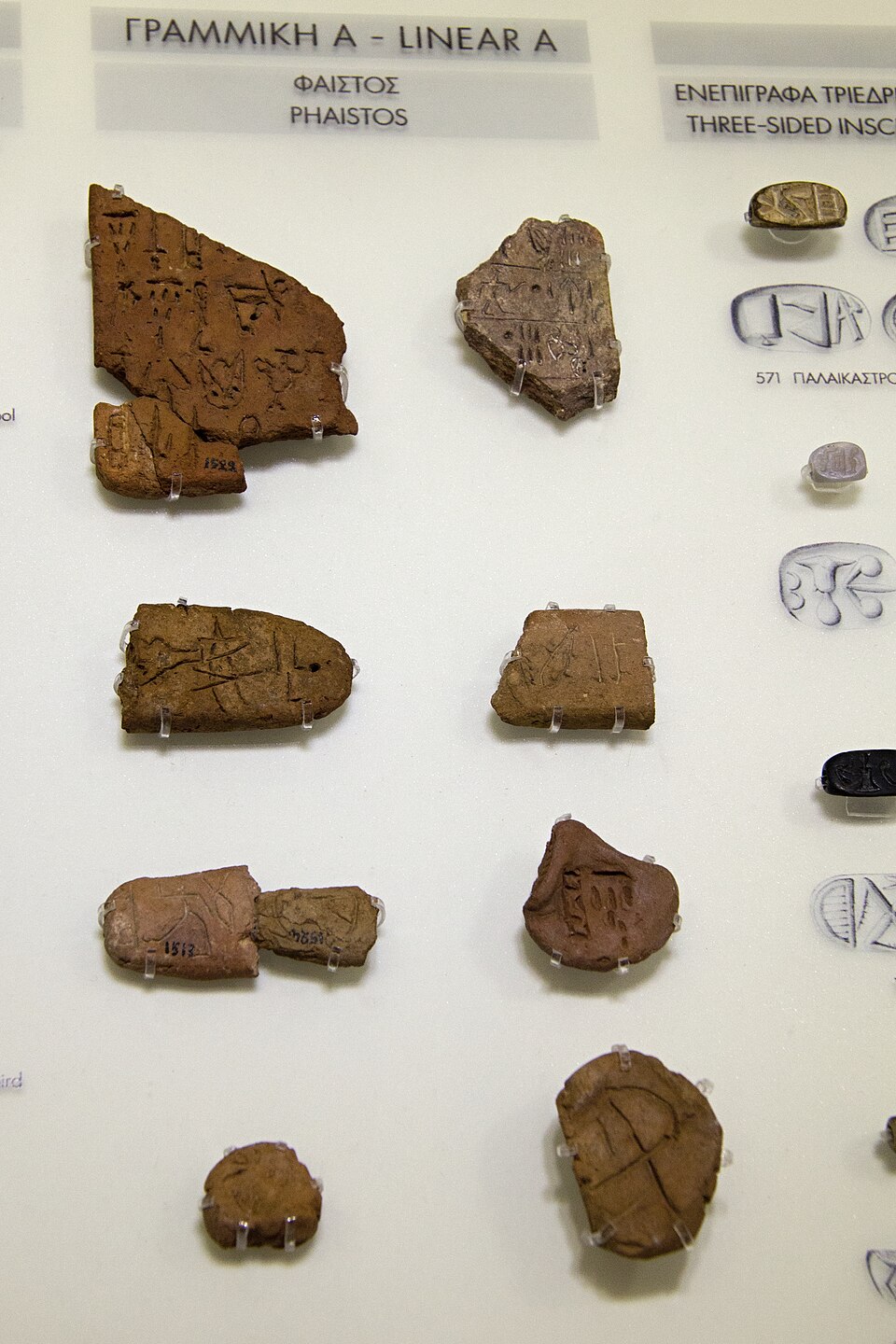
Minoan Crete · undeciphered
Zde · CC BY-SA 4.0
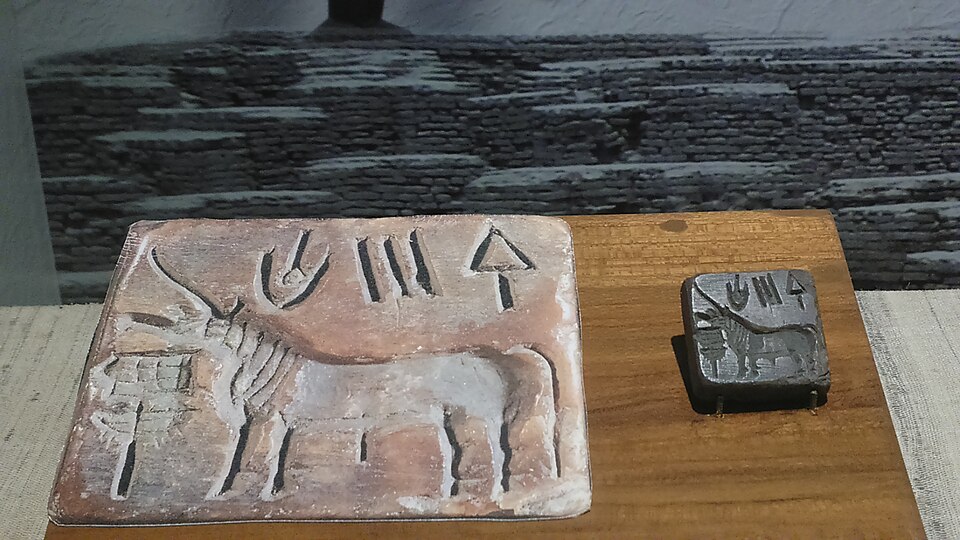
Indus Valley · c. 2600–1900 BCE
Indian Museum, Kolkata · CC BY-SA 4.0
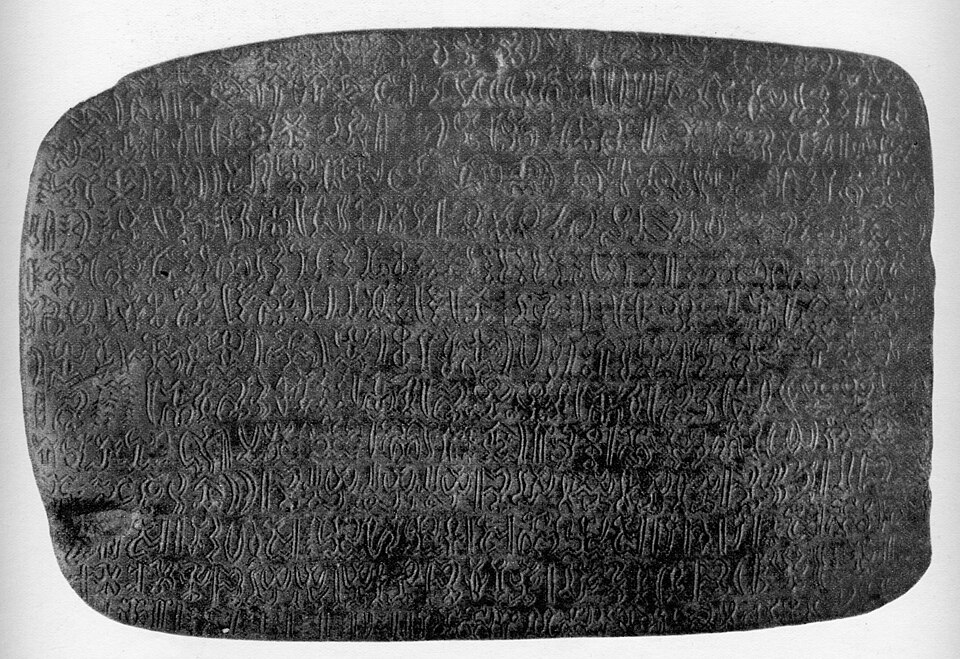
Mamari tablet · Rapa Nui
Wikimedia Commons · public domain
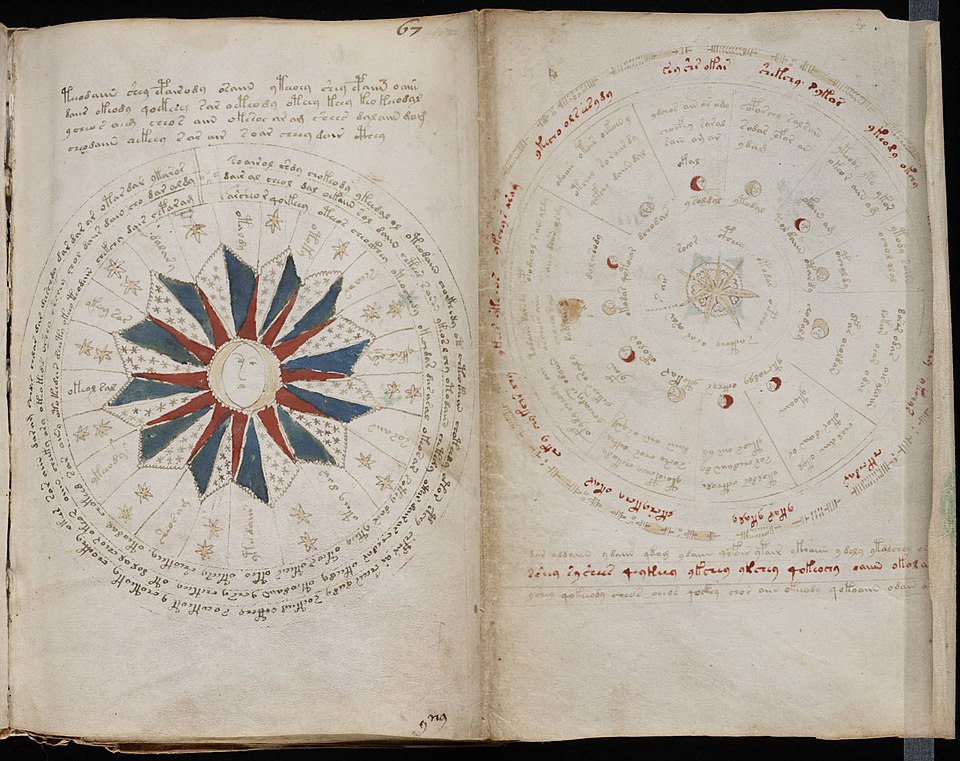
Europe · early 15th century
Beinecke Library, Yale · public domain
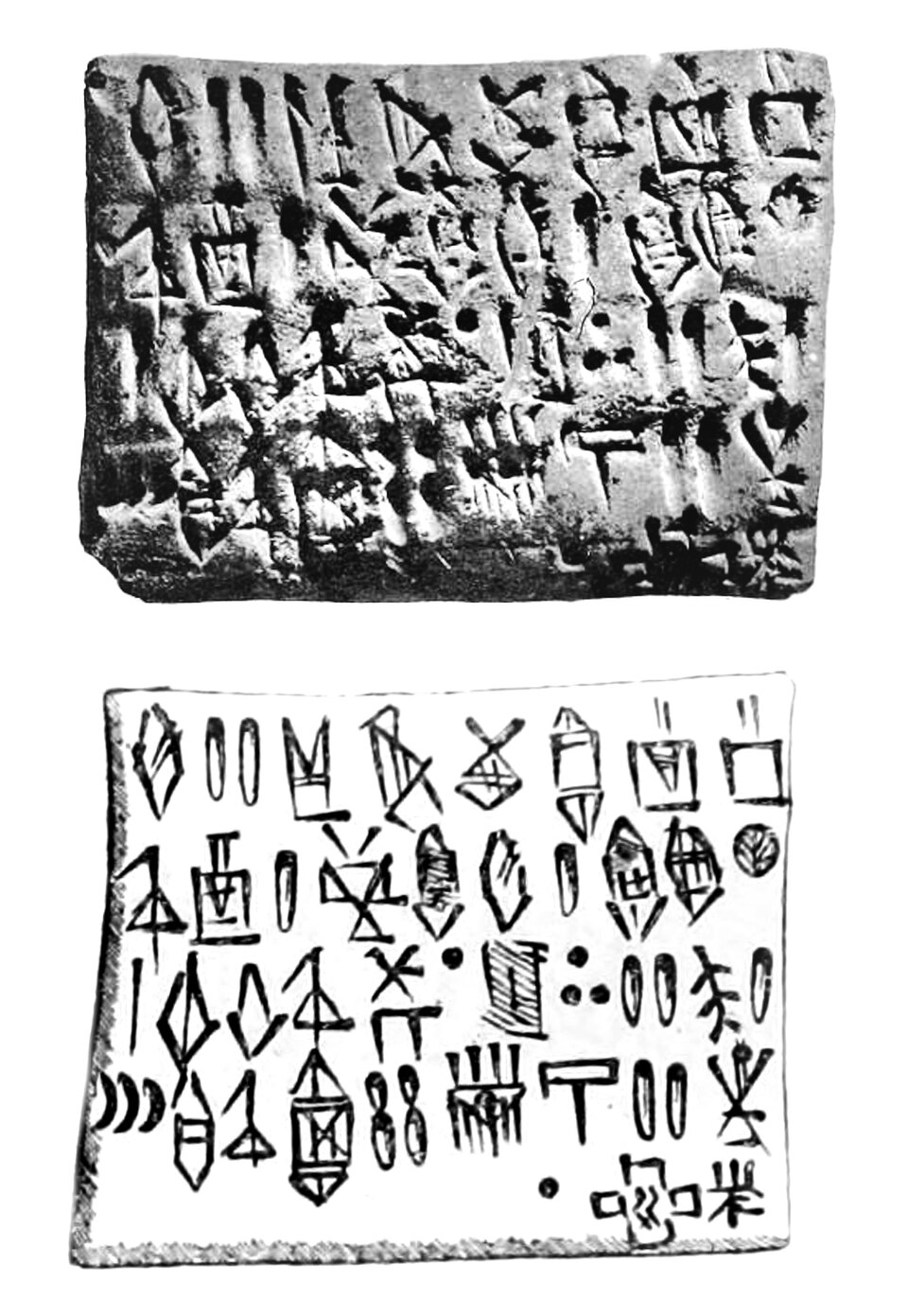
Susa · c. 3100–2900 BCE
Scheil, 1905 · public domain
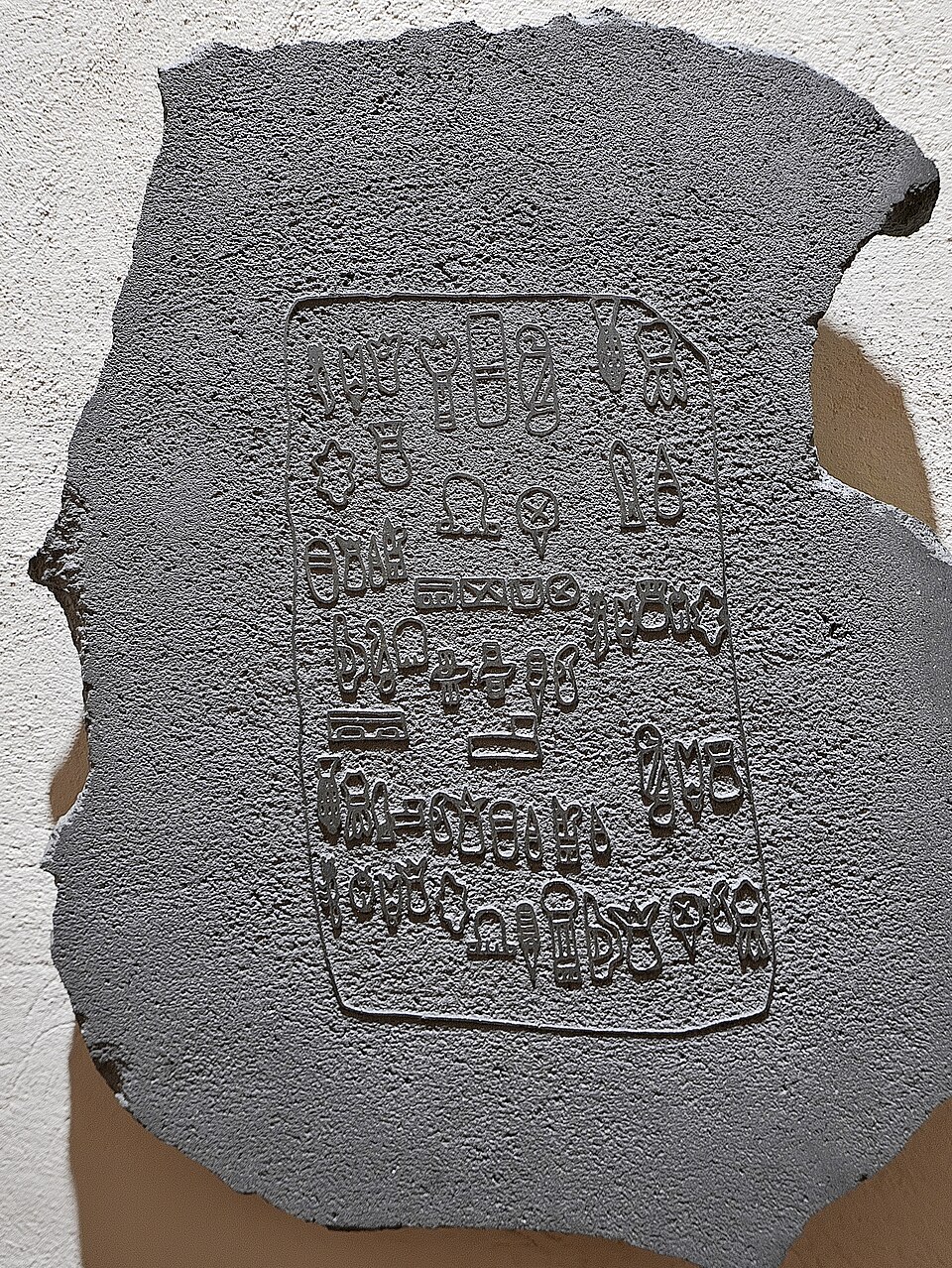
Museum replica · c. 900 BCE
Jl FilpoC · CC BY-SA 4.0
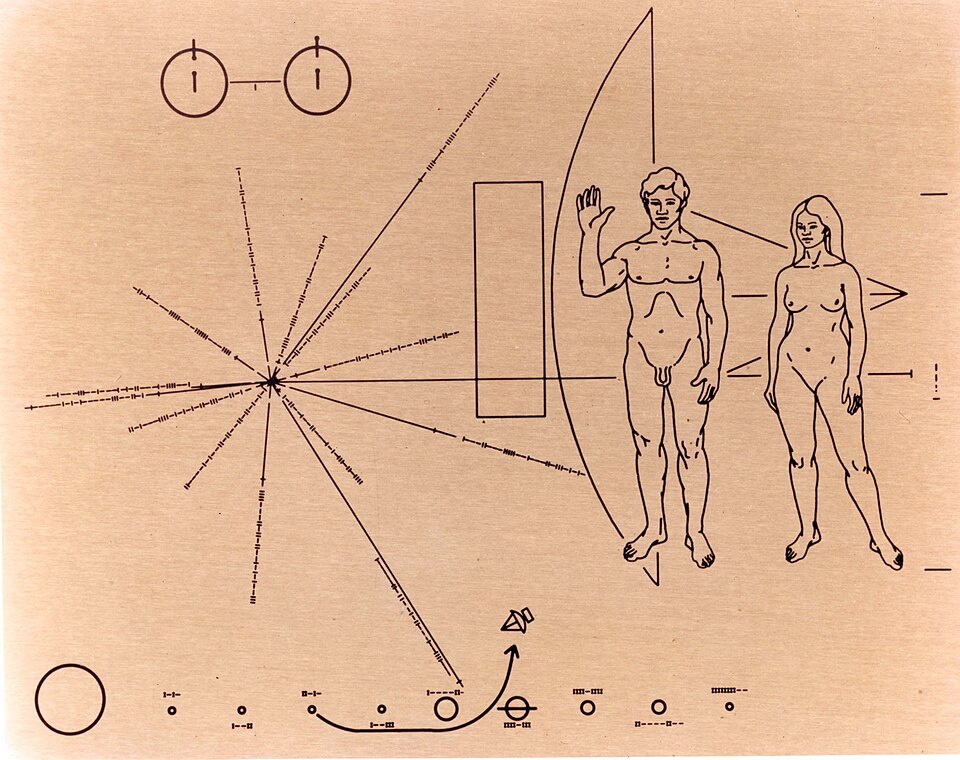
Outbound message · 1972–73
NASA · public domain
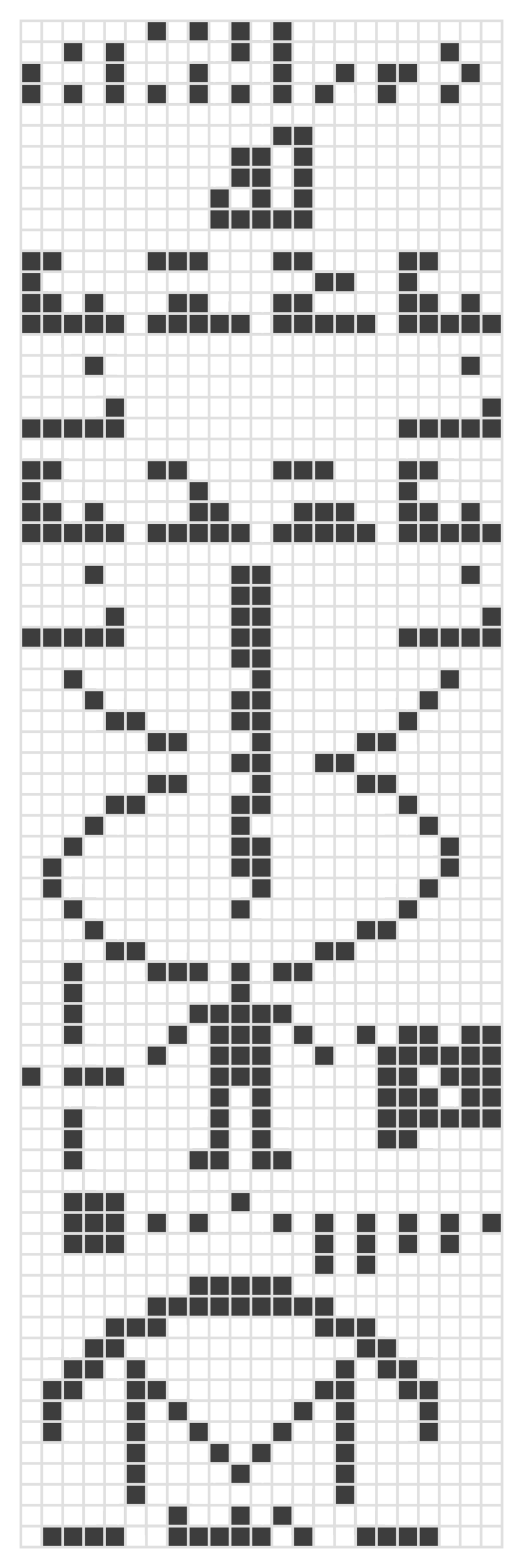
Interstellar transmission · 1974
Scientific diagram · public domain
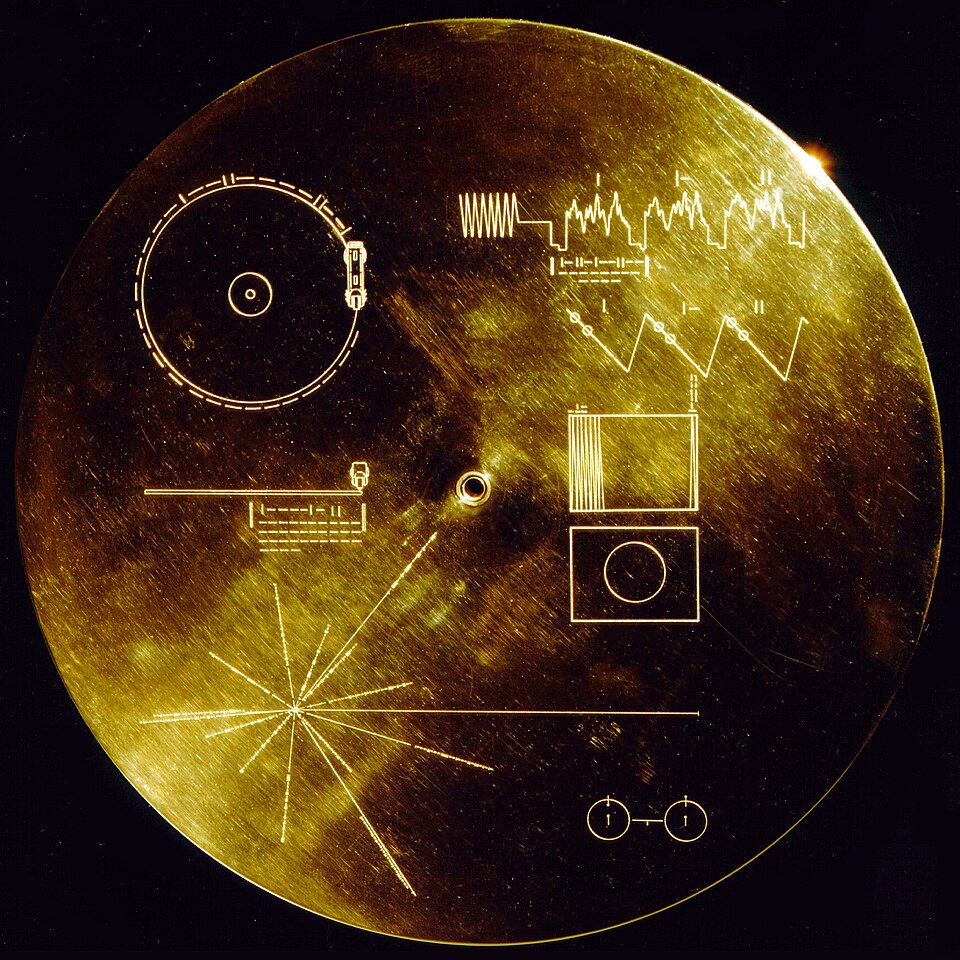
Outbound archive · 1977
NASA/JPL · public domain
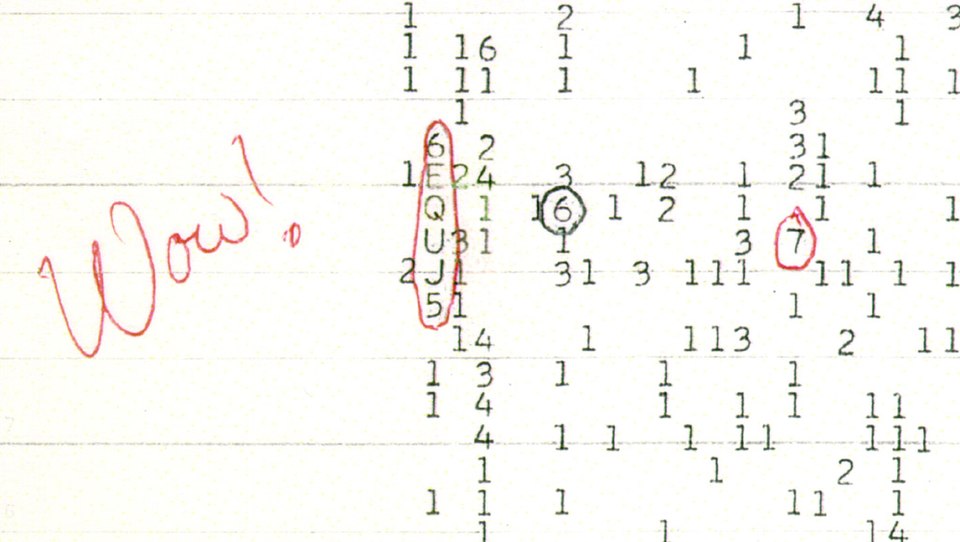
Big Ear Observatory · 1977
Big Ear / NAAPO · public domain
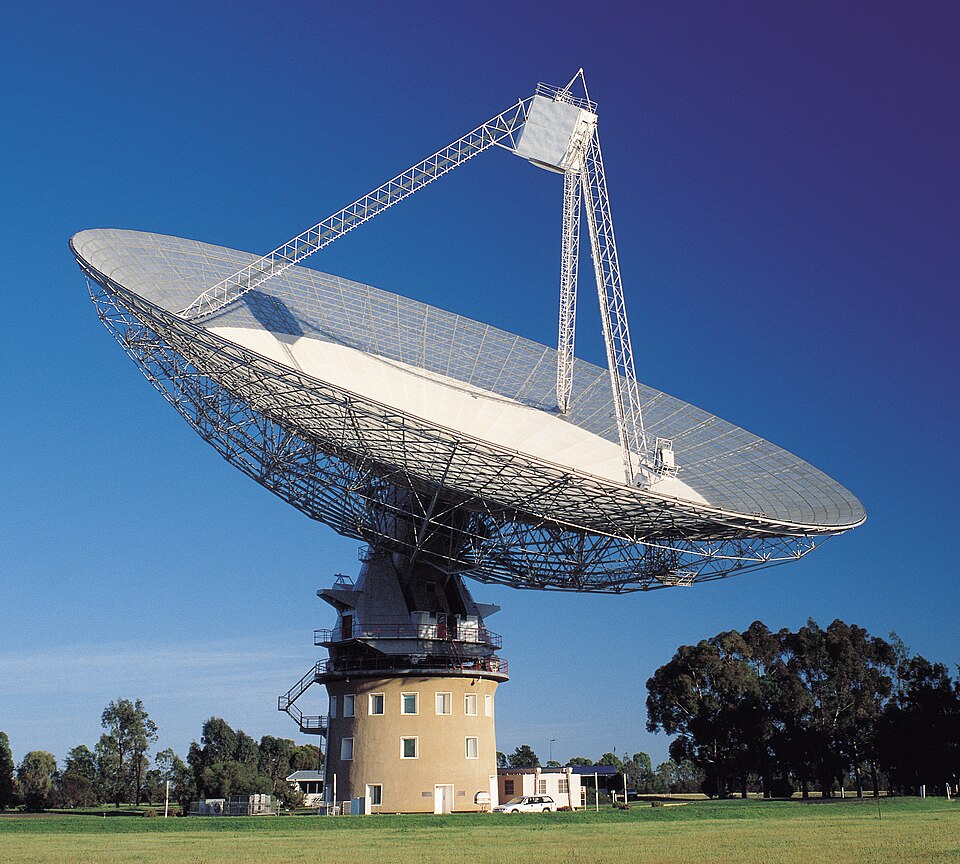
Parkes telescope · terrestrial interference
CSIRO · CC BY 3.0
To study communication and control across divergent intelligences—from unknown biological life to artificial agents whose internal logic may be equally alien.
A universal, zero-knowledge method reconstructs the dimensional form of non-random data—even when sender, encoding and intended medium are unknown.
In depthGeometric and topological dimensions can be recovered from structure intrinsic to a signal, without a shared codebook or prior assumptions.
In depthManaged diversity among influenceable agents offers a contingent safety strategy when complete prediction and control cannot be guaranteed.
In depthSelf-similar fractal carriers can encode information across multiple time and space scales reducing assumptions about a receiver’s space-time scale.
In depthScience News
June 2023
Science News · Matthew Hutson
The feature explains how the team’s mathematical method searches possible dimensions and detects local and global order, allowing a non-random message to reveal the geometry in which it was intended—even under noise.
Read the Science News featureNautilus
June 2026
Nautilus · Kristen French
A new test for AI suggests some newer LLMs are less smart than older models. Hector Zenil and colleagues at King's College London devised a way to assess artificial "superintelligence" and put leading language models to the test.
Read the Nautilus feature